


Who is more at risk?
Once the virus spreads in your community, you are most at risk if you are in close contact with someone who is sick with Bundibugyo virus.
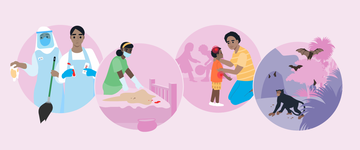
These are the groups currently most at risk from this outbreak:
- Healthcare workers: doctors, nurses, lab staff, and cleaners in health facilities who do not have or do not consistently use proper protective equipment.
- Family members and caregivers: people who care for someone at home can get sick if they touch body fluids like blood, vomit, urine, stool, saliva, or sweat, or if they touch items with these fluids on them, such as clothes, bedding, or dishes.
- People involved in burial or cremation practices or ceremonies: those who prepare bodies or take part in burial or cremation can get sick because the body is still very infectious after death. Risk is highest when people touch, wash, or dress the body, as is common in some traditional practices and ceremonies.
- You are at higher risk if you live with, care for, or have close physical contact with someone who is sick with Bundibugyo virus. This includes partners, as the virus can stay in some body fluids—such as semen—for some time even after a person feels better.
- Children are at higher risk because they often have close physical contact when playing and may not notice or report early signs of illness.
- Laboratory and response teams: people handling samples or responding to the outbreak can get sick if safety measures are not properly followed.
- People exposed to wildlife: Bundibugyo virus, like other Ebola viruses, is believed to come from animals, likely fruit bats. People at risk include hunters, those who handle or prepare wild animals (especially bats and monkeys), and people who enter caves or forests where these animals live.
- Communities in outbreak areas: people living in or near affected areas are at higher risk, especially where health services are under pressure or where people move often between communities.
If someone in your community is sick or has recovered from Bundibugyo virus, they need care and support - not blame or exclusion. Being sick is not their fault and anyone can potentially get infected. You can protect yourself by taking the right precautions, while still welcoming and treating recovered patients with kindness and respect.
PLEASE VISIT THE NEAREST HEALTH FACILITY
Click NEXT to find out about the symptoms of the Bundibugyo ebolavirus or BVD 🌡️
 Facebook
 X
X
 LinkedIn
 WhatsApp
 Email
Email
 Copy Link
Average Rating: ☆ ☆ ☆ ☆ ☆ (0 reviews)