


Symptoms, prevention and treatment of Bundibugyo virus
SYMPTOMS:
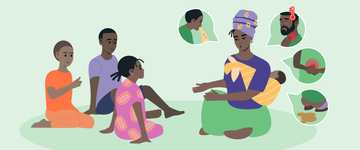
- After someone is infected, it can take 2 to 21 days for symptoms to appear. This is called the incubation period. A person infected with Bundibugyo eEbola virus cannot spread the disease until they start showing symptoms.
- Symptoms of Bundibugyo virus disease start suddenly with fever and a general feeling of being unwell. Common signs include stomach pain, loss of appetite, tiredness, body aches, sore throat, nausea, vomiting, and diarrhoea.
- It can be difficult to clinically distinguish Bundibugyo virus disease from other infectious diseases such as malaria, typhoid fever and meningitis.
- A range of laboratory diagnostic tests have been developed to confirm the presence of the virus; therefore, the Bundibugyo virus (BVD) can only be detected through a test performed by a specific laboratory.
PREVENTION AND TREATMENT:
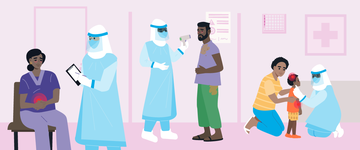
- Seeking early medical care is vital. Go to a health centre as soon as possible if you have symptoms. Early care can save your life and help stop the spread of the disease. At the health centre, treatment may include fluids (to prevent dehydration), care to manage symptoms, and treatment for other infections.
- A range of potential treatments, including blood products, immune therapies and drug therapies are currently being evaluated.
- Seeking early care can be lifesaving and reduce the risk of further transmission.
- If you or a loved one tests positive for Bundibugyo virus disease, early care at a designated treatment centre is essential. Remember:
- Keep watching your symptoms closely.
- Do not assume you are recovered until a health worker confirms it.
- Even if a test is negative, if you still have symptoms, more tests may be needed - follow your care provider’s instructions.
- The virus can stay in semen for up to fifteen months after recovery, so there is still a risk of spreading it through sex. Male survivors should get their semen tested if possible. After two negative tests, they can return to normal sexual activity with low risk.
- Survivors and their partners should seek counselling, use condoms, and practice good personal hygiene.
- If testing is not available, safer sex (using condoms) should be practiced for 12 months.
- To protect your health and others, stay at the treatment centre until health workers confirm it is safe for you to leave.
 Facebook
 X
X
 LinkedIn
 WhatsApp
 Email
Email
 Copy Link
Average Rating: ☆ ☆ ☆ ☆ ☆ (0 reviews)