


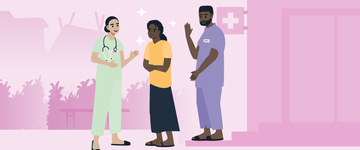
In your community 📢
Follow the advice of health authorities. Their guidance helps protect everyone.
Make sure the information you share is correct. Check it before passing it on to avoid confusion and fear.
Bundibugyo virus can look like other common illnesses. If someone has symptoms, go to a health centre for proper testing and care.
Treat everyone with respect. People who are sick or affected should not be blamed or avoided. This is called stigma, and it can stop people from seeking help.
SHARE THIS INFORMATION WITH OTHERS IN YOUR COMMUNITY TO HELP KEEP EVERYONE SAFE 🚨
- A person who has been cleared by health authorities cannot spread the disease. They have survived, and this should give hope.
- The family of someone who was sick or died, unless they are showing symptoms, is not dangerous. Avoiding them does not protect you, it only increases their suffering.
- A child whose parent died from Bundibugyo virus, unless showing symptoms, is not infected. They are grieving and need care and support. Children who have lost loved ones need care, support, and kindness.
- A child cleared by health authorities can safely return to school.
- Health workers and response teams follow strict safety measures. They are not a risk to your family. They are protecting the community and deserve respect.
- Burial teams help protect families. They manage funerals safely while respecting traditions and dignity, so the disease does not spread. Encourage others to allow them to do their work.

HOW TO RESPOND TO RUMOURS AND MISINFORMATION 🗣️
Listen first. Show you understand people’s concerns. Do not dismiss them. Then give clear, correct information and repeat the key message.
Here are some useful tips and responses to deal with specific rumours and misinformation:
If you hear: “There is a vaccine or cure being withheld from our community.”
- ACKNOWLEDGE: “I understand why people are worried about this.”
- CORRECT: “The vaccines and treatments used for other Ebola types do not work for Bundibugyo virus. Right now, there is no proven vaccine or specific treatment for this virus, but scientists are working on it.”
- REINFORCE: “The best way to survive is to seek care early at a treatment centre.”
If you hear: “The treatment centre is where people go to die. No one comes back.”
- ACKNOWLEDGE: “We know people have heard scary stories about treatment centres.”
- CORRECT: “In recent epidemics, more than half of people who had Bundibugyo virus disease survived. People do recover from Bundibugyo virus disease, especially those who seek care early. Supportive care, including rehydration and treatment of symptoms, significantly improves survival. Your family will be kept informed of your condition while you are there”.
- REINFORCE: “Going early to the treatment centres gives the best chance of recovery. Ask survivors themselves as they are the most powerful testimony.”
If you hear: “Traditional remedies can prevent or treat Bundibugyo virus disease.”
- ACKNOWLEDGE: “Traditional medicine is important in our communities.”
- CORRECT: “For the Bundibugyo virus disease, there is no evidence that traditional remedies can prevent or treat this disease. Staying at home instead of going to a health centre can be dangerous and can spread the virus. Using traditional practices at home also puts family members and healers at risk of infection through direct contact with body fluids”
- REINFORCE: “Traditional healers can play a vital role in encouraging early care-seeking and supporting families - without putting themselves at risk”.
If you hear: “The body bag and burial procedures are not honourable.”
- ACKNOWLEDGE: “We all understand how important burial practices are for our culture and religion”
- CORRECT: “The bodies of people who die from Bundibugyo virus disease are highly infectious”. Safe and dignified burial procedures are necessary to protect the family and community from further infections.
- REINFORCE: “Burial teams will talk with families and try to respect traditions while keeping everyone safe.”
 Facebook
 X
X
 LinkedIn
 WhatsApp
 Email
Email
 Copy Link
Average Rating: ☆ ☆ ☆ ☆ ☆ (0 reviews)