


Thinking about recovery
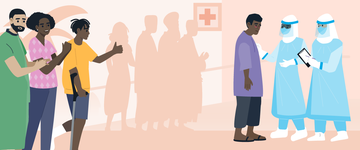
Recovering from Bundibugyo virus is a big step. Survivors and their families need respect, support, and continued care as they return home.
Supporting survivors
Even after leaving the treatment centre, survivors may still feel unwell. Common symptoms include:
- Fatigue and weakness
- Headaches, muscle or joint pain
- Eye pain and vision problems
- Weight loss, stomach pain, loss of appetite
- Hair loss and skin problems
- Trouble sleeping
- Memory problems
- Hearing loss
- Feelings of sadness or anxiety
These are part of recovery and do not mean the person can spread the disease. If symptoms continue or get worse, seek medical care early.
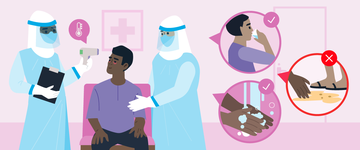
Semen testing for male survivors:
The virus can stay in semen for many months after recovery.
- Use condoms every time until testing shows the virus is gone
- Go for regular semen tests if available
- Speak to a health worker if you have questions
This protects partners and families. It is not a sign of danger or blame.
Living with survivors
A survivor who has been cleared by health authorities is not contagious in daily life. It is safe to:
- Share meals.
- Talk, sit together, or shake hands.
- Live in the same home.
Survivors showed courage by seeking care. They should be welcomed and supported, not feared.
Stigma and exclusion can stop people from seeking care and can put others at risk.
How to support survivors in your community
- Welcome them back as normal.
- Be patient with their recovery.
- Help them access follow-up care and testing.
- Respect their privacy - do not share their health information.
Supporting survivors helps protect the whole community.
Click NEXT to Test your knowledge about the Bundibugyo ebolavirus or (BVD) 📋
 Facebook
 X
X
 LinkedIn
 WhatsApp
 Email
Email
 Copy Link
Average Rating: ☆ ☆ ☆ ☆ ☆ (0 reviews)