


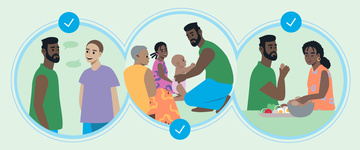
Taking care of your children at home 🧒🏽👧🏽🏡
Children are especially vulnerable to Bundibugyo virus. They often have close contact when playing and may not notice or say when they feel sick. They can also be left without proper care if a family member becomes ill or dies.
Most virus transmissions happen at home. Families make key decisions when to seek care, how to isolate a sick person, how to manage burials, and how to support survivors.
Taking early action can help protect your children and save lives.
THIS IS WHAT YOU CAN DO AT HOME 🏡:
- Do not care for someone with symptoms at home. Avoid close contact and take them to a health centre right away for testing and care.
- Keep your children attending school if they are well and schools are open. School helps keep them safe, informed, and supported.
- Check your child every morning. If they have fever and other symptoms, keep them at home and seek care right away.
- Do not send a sick child to school. Reporting early helps protect your family and others.
- If your child has a fever, call for help immediately, REACH OUT TO LOCAL AUTHORITES IN YOUR COUNTRY.
- Talk to your child clearly and calmly. Explain the disease in simple terms, listen to their worries, and reassure them.
- Ask for help from teachers or health workers if your child is affected, has lost someone, or feels scared or sad.
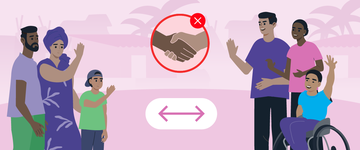
Children and families affected by Bundibugyo virus need care and support - not stigma or exclusion.
Click NEXT to find out what teachers and educators can do to prevent the spread of the BVD virus 👩🏻🏫📚
 Facebook
 X
X
 LinkedIn
 WhatsApp
 Email
Email
 Copy Link
Average Rating: ★ ★ ★ ★ ★ (1 reviews)